





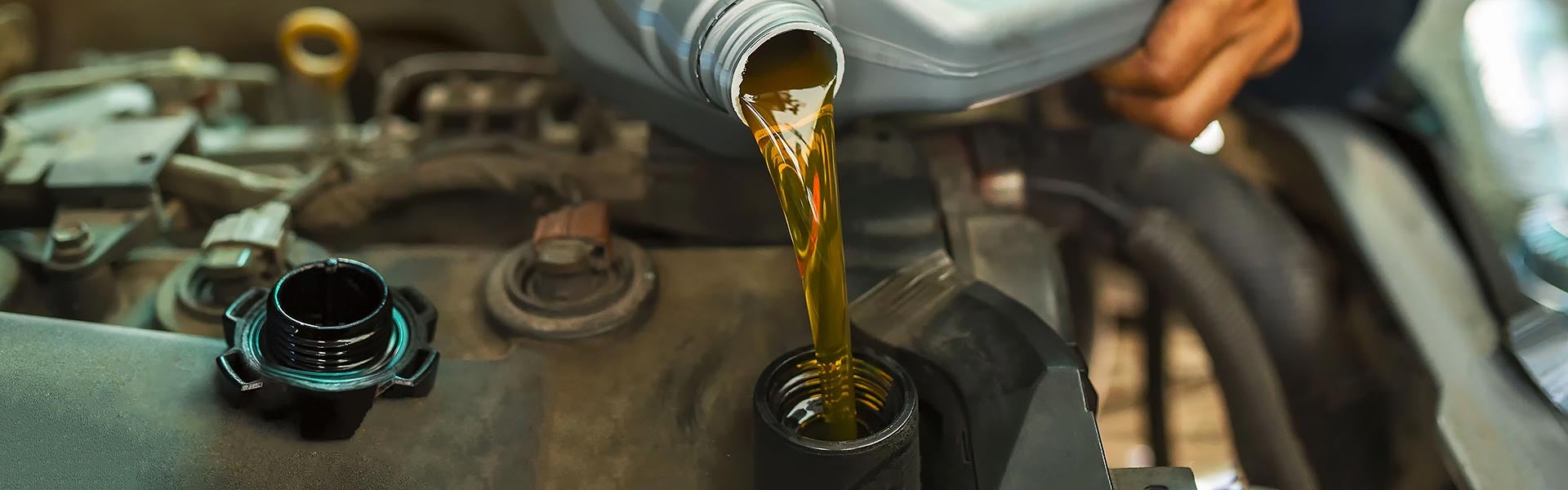
Everybody knows it, but not everybody takes it seriously. Getting a Chevrolet oil change on a routine schedule is one of the simplest, most effective and probably most ignored things you can do to protect your vehicle, as well as your time and wallet.
Whether you're driving a Silverado across jobsites, an Equinox to school pickups and after-school activities, or Trax to work in Chiefland, Florida, keeping up with this basic maintenance step can save you from far more costly repairs down the road.
What Does Engine Oil Actually Do?
Engine oil is critical for lubricating and reducing friction between all your engine’s moving parts. Without that lubrication, metal components grind against each other, generating excessive heat and causing accelerated wear. Naturally, that oil becomes littered with debris, soot, dust, and other general yuckiness.
During a Chevrolet oil change, fresh oil is cycled through your engine to lubricate all the moving parts inside cleanly. Clean oil also helps carry away dirt, debris, and combustion byproducts that build up over time. When oil gets old, it breaks down and thickens, making it far less effective at doing its job, and that’s something your engine will feel.
How Often Should You Change Your Oil?
This is one of the most common Oil Change FAQs we hear. The honest answer is that it depends on your specific Chevrolet model, driving habits, and the type of oil your vehicle uses. Many newer Chevy vehicles with full synthetic oil can go longer between changes, but that doesn’t mean you should skip checking your oil level in between visits. Always refer to your owner's manual.
Newer Chevrolets have an Oil Life Monitoring System, too. This is even more user-friendly and accurate because it doesn’t apply general rules to when you need an oil change it monitors your driving habits to alert you when your specific vehicle needs one.
What Happens If You Skip an Oil Change?
Neglecting your Chevrolet oil change schedule is a risk not worth taking. Over time, degraded oil loses its ability to properly lubricate your engine. This leads to increased friction, overheating, and eventually serious engine damage that can be extremely expensive to repair.
In worst-case scenarios, prolonged neglect can mean full engine replacement which is far more inconvenient than just sitting for an oil change. Also, if your Chevy is under warranty, getting an oil change at a Certified Service Center may be one of the terms so be careful. Staying consistent with your maintenance schedule is simply the smarter, more affordable choice.
Signs Your Chevy Needs an Oil Change
Another popular Oil Change FAQ topic involves knowing the warning signs. Don’t wait until the dreaded dashboard light comes on to take action.
Watch for a dark, gritty appearance when you check the dipstick which means you need to check your oil a burning oil smell coming from the engine, or any unusual knocking sounds while driving. These are all indicators that your oil is no longer doing its job effectively and a service visit is overdue.
Other Benefits of Staying on Schedule
Keeping up with your Chevrolet oil change intervals does more than just protect the engine. It can also improve your vehicle's overall performance, help maintain fuel efficiency, and support the long-term reliability Chevy is known for.
Routine oil changes also give a trained technician the opportunity to catch other potential issues before they become bigger problems.
Visit Big Bend Chevrolet for Your Next Oil Change
When you're ready to schedule your next Chevrolet oil change, the team at [Big Bend Chevrolet](https://www.bigbendchevrolet.com/) is here to help, right here in Chiefland, FL. We make it easy to keep your Chevy running the way it should. Don’t let a simple maintenance task fall through the cracks your engine will thank you.